
A curated journey through the essential footwear styles and history every gentleman should know.
Shoes are more than finishing touches, they are the foundation of a gentleman’s presence.
Every style carries a story, born from necessity, shaped by culture, refined through craftsmanship and today reimagined for the modern wardrobe.
This index brings together the defining styles of classic men’s footwear, each paired with its historical roots and the qualities that make it enduring.
The Monk Strap
The Monk Strap is the epitome of understated sophistication, a clean, streamlined design secured by a buckle that offers a perfect balance between classic formality and contemporary ease.
Its minimalist silhouette makes it a versatile choice for the gentleman who appreciates refinement without excess and its distinctive closure adds just enough character to stand apart from traditional lace ups.


History of The Monk Strap
The Monk Strap shoe dates back to medieval Europe, inspired by the buckle‑fastened sandals worn by monks who needed durable, secure footwear for work and travel.
Its name reflects this monastic origin and the style eventually evolved into the refined, buckle‑closed dress shoe we know today.
The Oxford
The Oxford is the pinnacle of classic men’s footwear, sleek, timeless and unmistakably refined. Defined by its closed laced construction, it offers the cleanest and most formal silhouette in a gentleman’s shoe wardrobe.
Its understated elegance makes it the natural choice for clients who appreciate precision, tradition, and a polished finish.

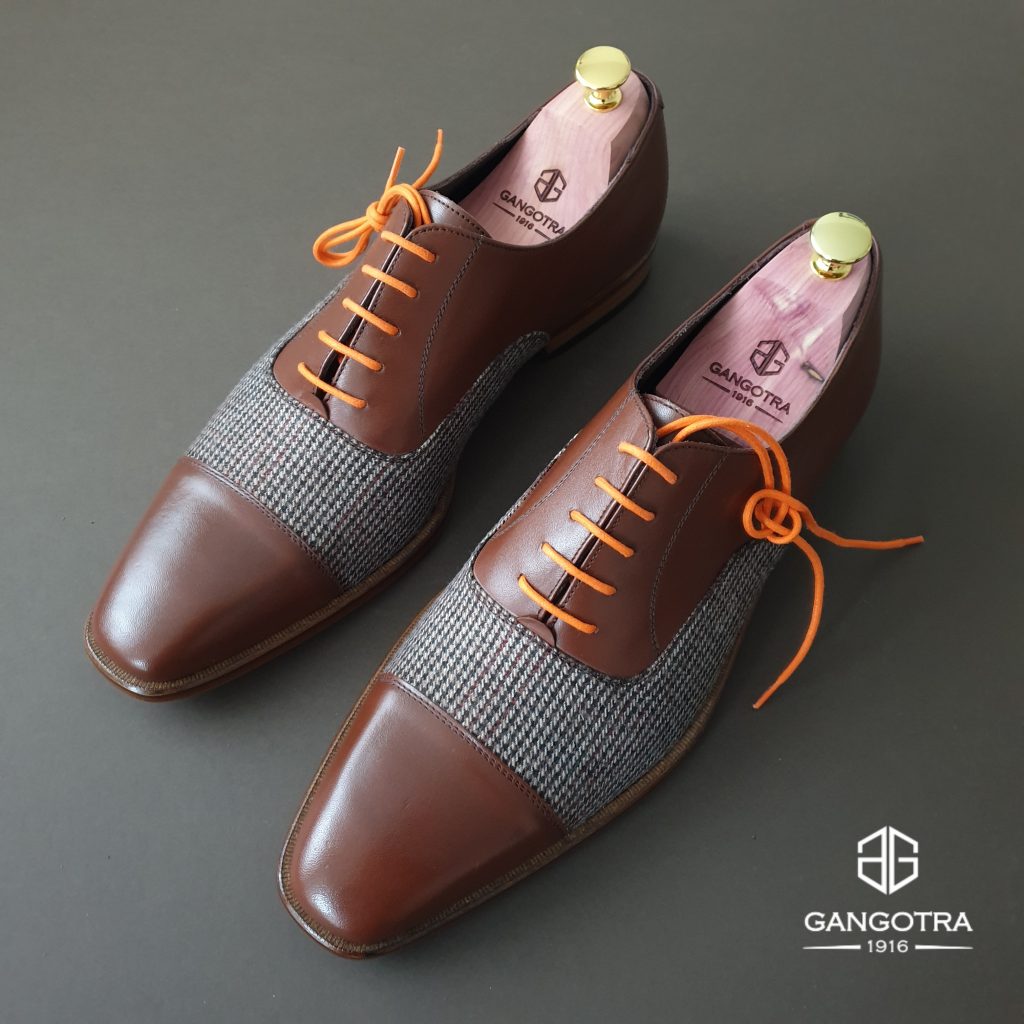

History of The Oxford
The Oxford shoe originated in 19th century Europe and takes its name from Oxford University, where students began rejecting stiff, high cut boots in favour of this new, low profile lace up.
Its closed lacing system became the hallmark of refined, academic elegance and later the global standard for formal footwear.
The Derby
The Derby is a timeless essential in a gentleman’s footwear collection, versatile, comfortable and effortlessly refined. Defined by its open laced construction, it offers a slightly more relaxed silhouette than the Oxford while still maintaining a polished, elegant presence.
This makes it an ideal choice for clients who value ease of wear without compromising on sophistication.
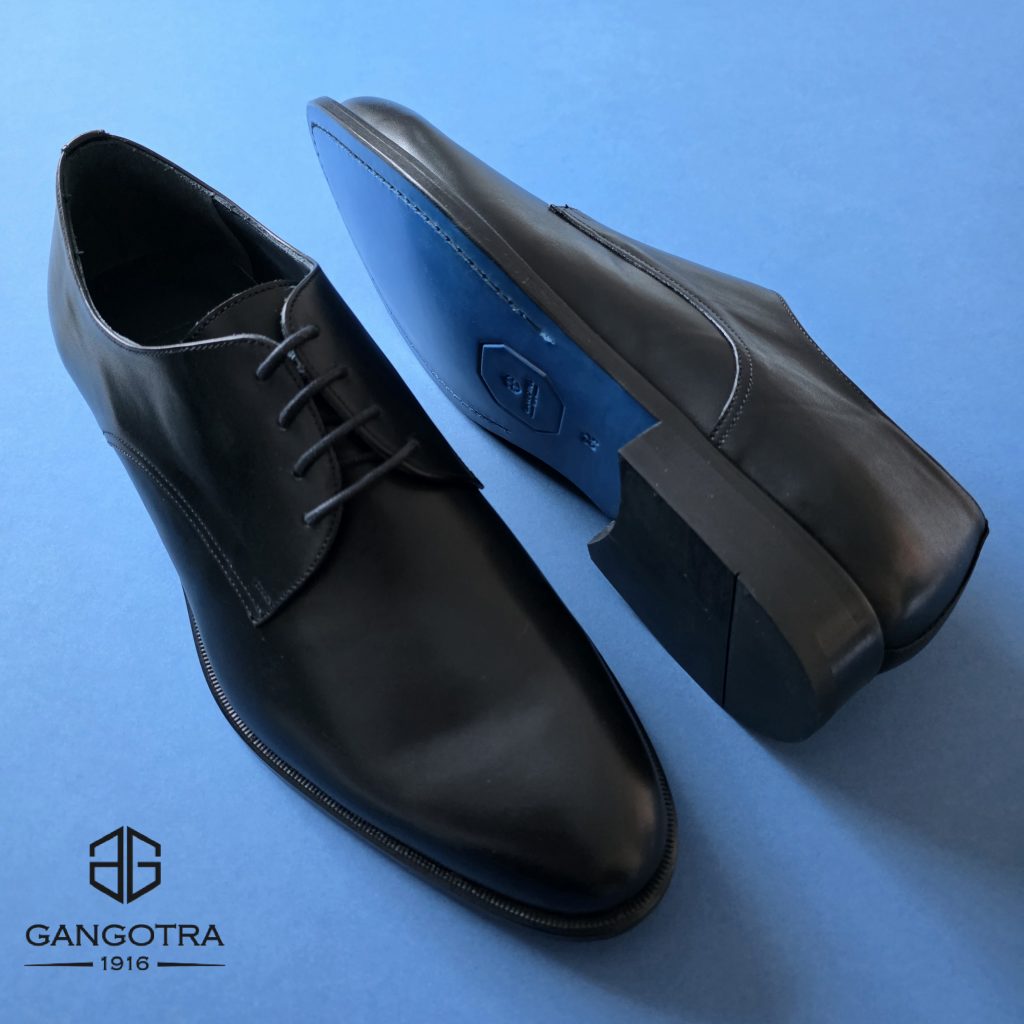
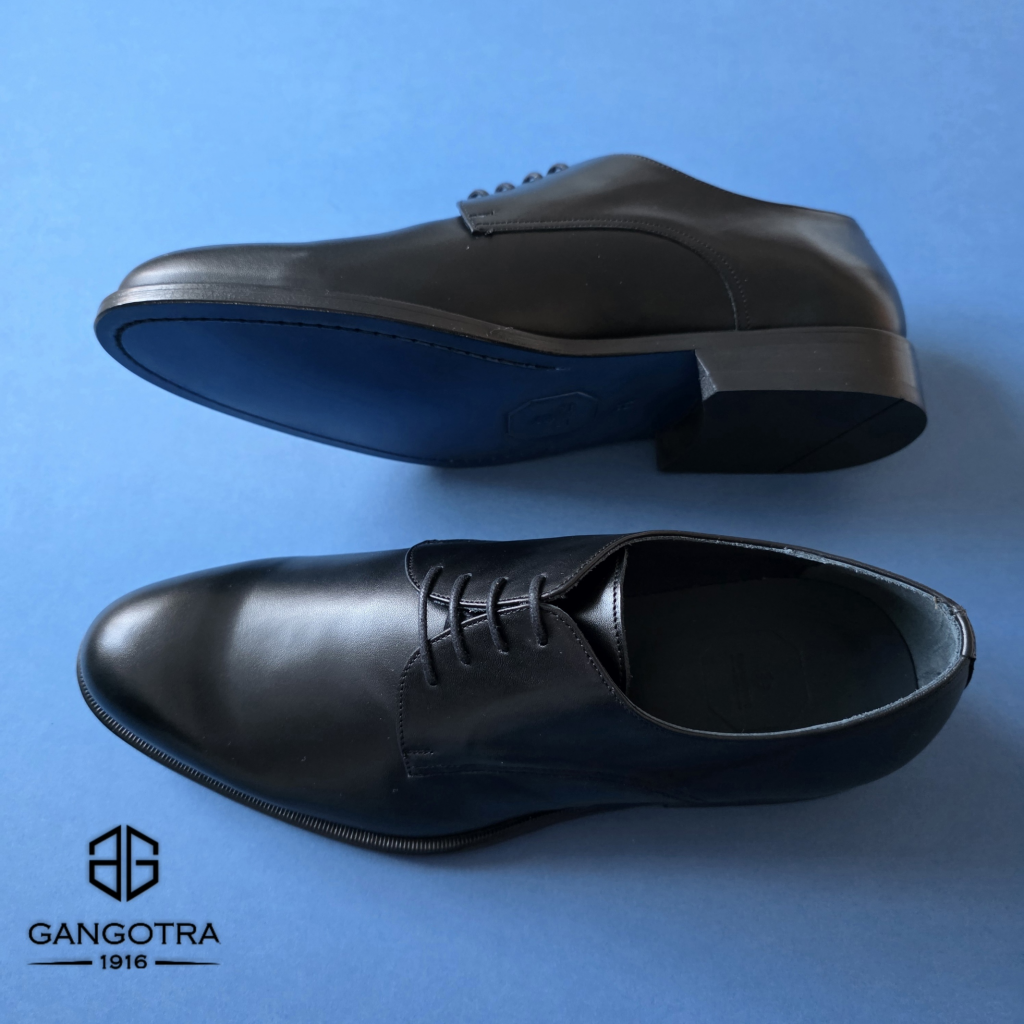
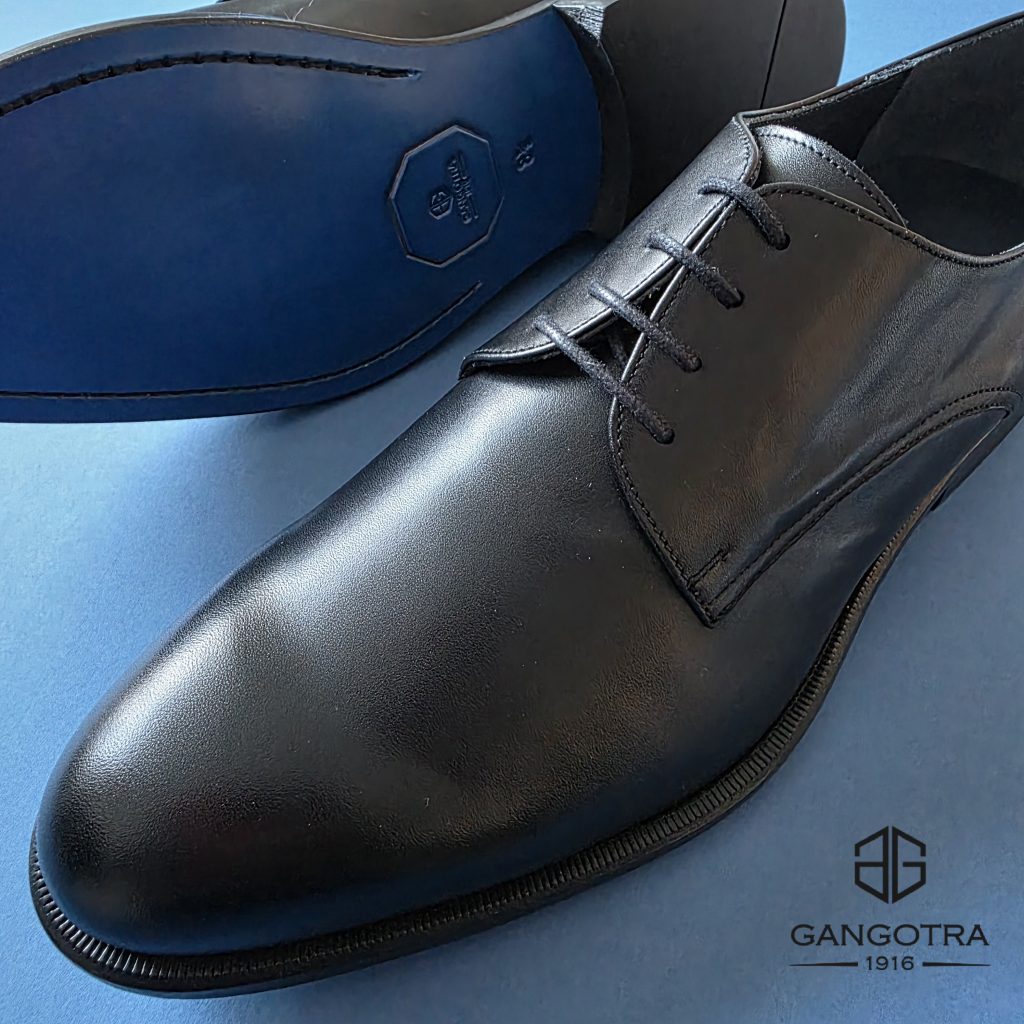
History of The Derby
The Derby emerged in the 1800s as a more practical alternative to the Oxford, featuring an open‑lacing system that made it easier to slip on for men with wider feet or high insteps.
Its name is believed to come from the Earl of Derby or the region associated with the style and it quickly became a staple for country wear before entering city wardrobes.
The Whole Cut
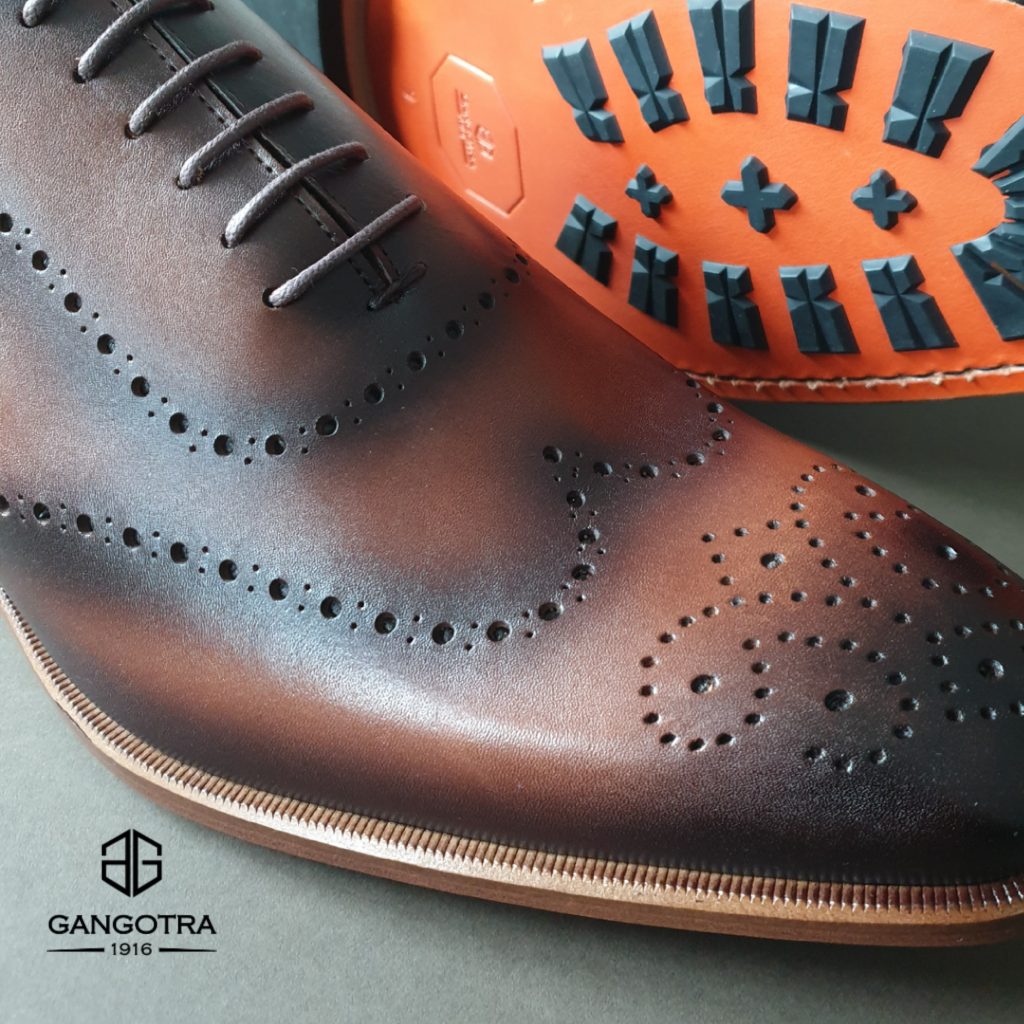
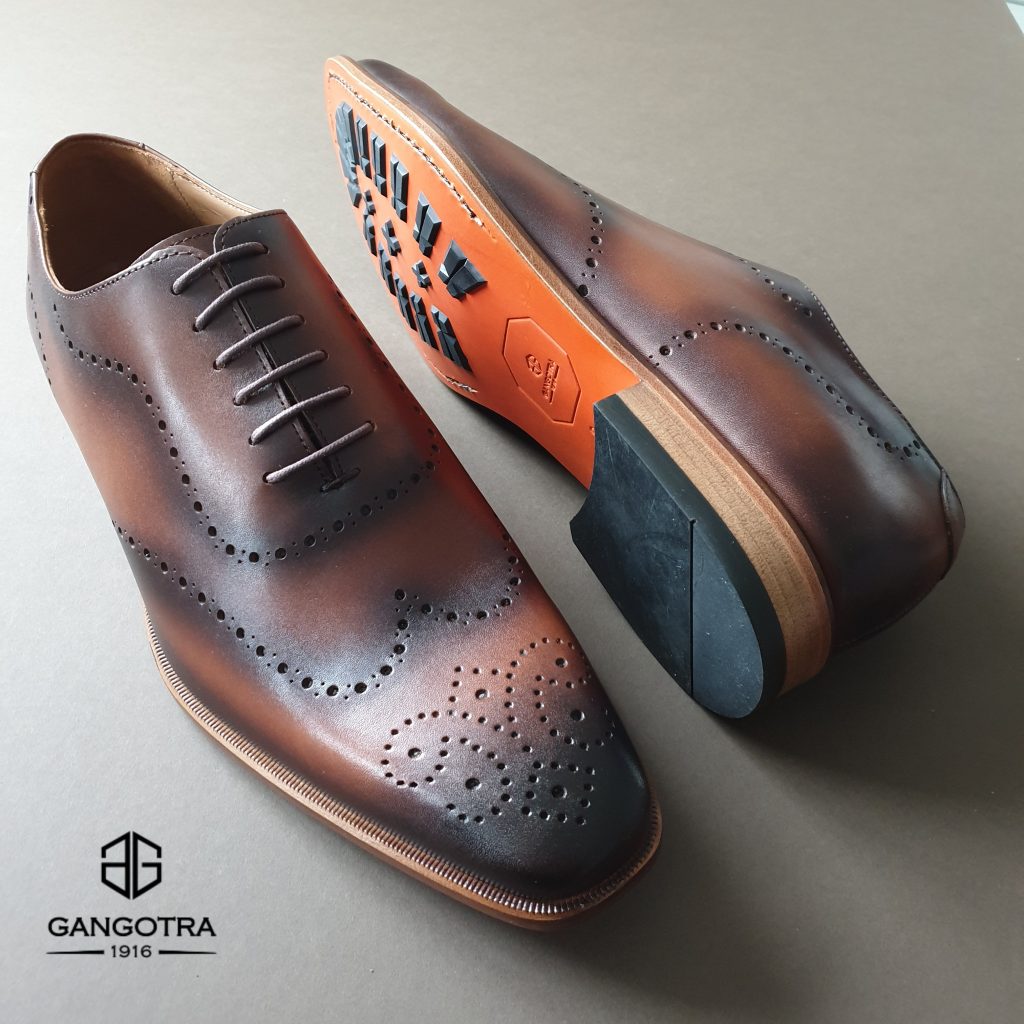
The Whole Cut is the purest expression of shoemaking artistry, sleek, sculpted and unmistakably refined. Crafted from a single piece of flawless leather, it offers a seamless silhouette that exudes sophistication and precision.
With no visible stitching across the upper, the Whole Cut embodies minimalism at its most luxurious, making it a favourite for gentlemen who appreciate quiet confidence and immaculate craftsmanship.

History of The Whole Cut
The Wholecut shoe emerged from the traditions of European master shoemakers who sought to demonstrate the highest level of craftsmanship by creating a shoe from a single, flawless piece of leather.
Its name comes directly from this construction method, a “whole cut” of hide with no seams across the upper and its origins lie in bespoke workshops where only the most skilled cordwainers could achieve the precision, symmetry and hand lasting required to shape one unbroken piece into a perfectly balanced, elegantly understated shoe.
The Loafer
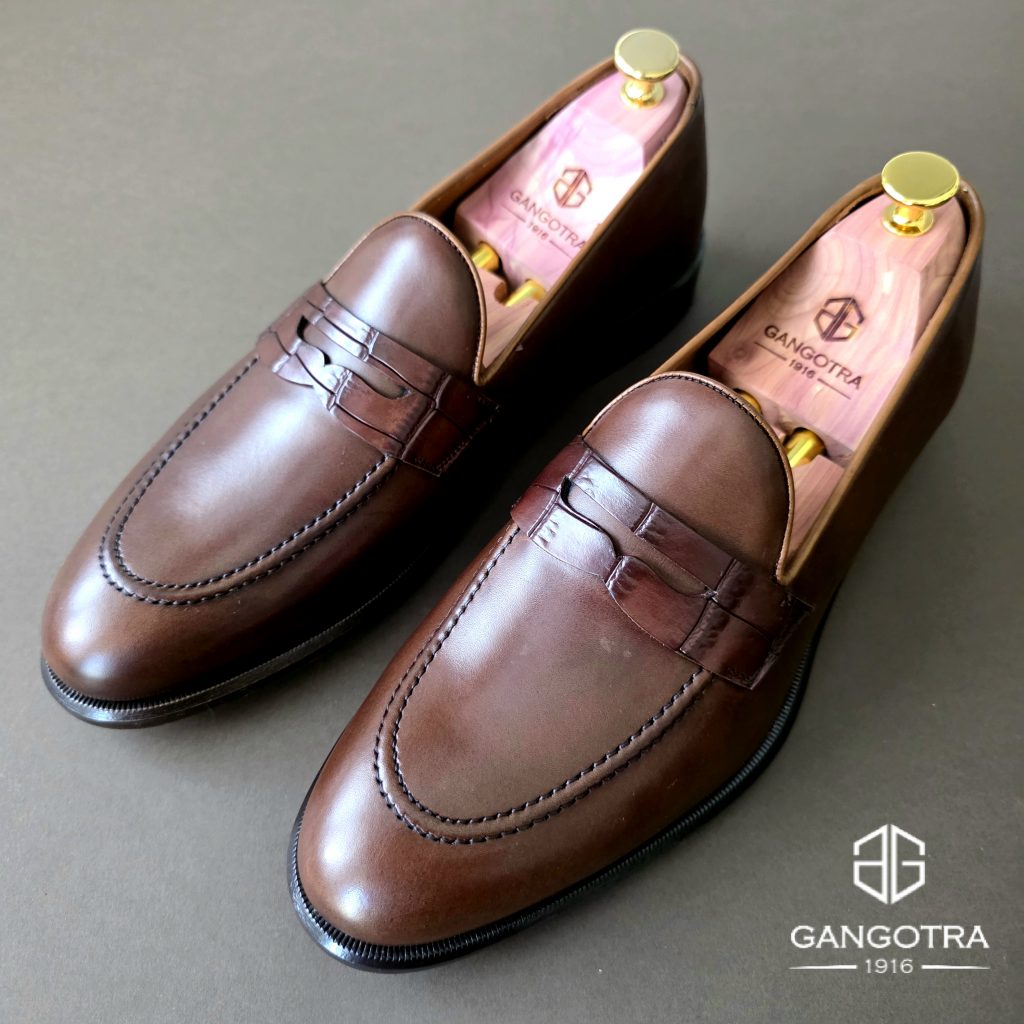
The Loafer is the embodiment of effortless elegance, sleek, versatile, and inherently refined. Its slip on construction offers a relaxed sophistication that suits the modern gentleman’s lifestyle, moving with ease between formal, smart casual and weekend wardrobes.
Whether crafted in smooth calfskin or supple suede, the Loafer brings a sense of understated confidence to any ensemble.



History of The Loafer
The Loafer developed in the early 20th century as a relaxed, laceless shoe inspired partly by Norwegian fisherman’s footwear and partly by American leisure culture.
Its name reflects its purpose, a shoe designed for comfortable, effortless “loafing” that later became a symbol of Ivy League style.
The Brogue
The Brogue is a true classic, distinguished, characterful and rich with heritage. Recognised by its decorative perforations and wing tip or semi brogue detailing, it brings a touch of personality to a gentleman’s footwear collection while maintaining a refined, timeless silhouette.
Originally designed as an outdoor shoe, the modern Brogue has evolved into a versatile staple that balances tradition with contemporary style.


History of The Brogue
The Brogue began in the wet, rugged landscapes of Ireland and Scotland, where workers punched holes into their leather shoes to allow water to drain while crossing bogs.
Its name comes from the Gaelic bróg and what began as a rural necessity evolved into one of the most decorative and recognisable styles in modern menswear.
The Longwing Blucher
The Longwing Blucher is a distinctive and character rich style, defined by its sweeping wingtip that runs the full length of the shoe, meeting at the heel in one continuous line.
This bold, architectural detail gives the Longwing its unmistakable presence, blending heritage craftsmanship with a confident, contemporary silhouette. With its open laced construction, the Blucher offers a comfortable fit while maintaining a refined, structured appearance.


History of The Longwing Blucher
The Longwing Blucher originated in early 20th century America as a bold reinterpretation of traditional broguing, distinguished by its wingtip pattern that extends the full length of the shoe and meets at the heel.
its name combines “longwing,” referring to this extended wing design, with “Blucher,” a term rooted in 19th‑century Prussian military footwear created by General Gebhard Leberecht von Blücher, whose open laced construction inspired a more practical, easy fitting shoe that later became a cornerstone of American style.
The Chukka Boot
The Chukka Boot is the perfect blend of relaxed refinement and understated style. Defined by its ankle high profile, open lacing and clean, unadorned panels, it offers a sleek yet comfortable silhouette that transitions effortlessly between seasons.
Its origins in sport and military wear give it a sense of practicality, while modern craftsmanship elevates it into a versatile staple for the discerning gentleman.


History of The Chukka Boot
The Chukka boot draws its name from the game of polo, where a “chukka” is a period of play and its simple two or three eyelet design mirrored the boots worn by players.
It later evolved into the desert boot worn by British soldiers in North Africa, prized for its comfort and crepe sole.
The Chelsea Boot
The Chelsea Boot is a true icon of men’s style, sleek, versatile and effortlessly modern. Defined by its clean lines, elastic side panels, and pull on silhouette, it offers a perfect balance of practicality and refinement.
Its minimalist design allows it to transition seamlessly between formal and casual wardrobes, making it a favourite for gentlemen who value understated elegance with everyday ease.


History of The Chelsea Boot
The Chelsea boot was created in Victorian England by Queen Victoria’s shoemaker, who used newly invented elastic gussets to make a boot that could be pulled on without laces.
It later took its name from London’s Chelsea district, where it became a cultural icon during the 1950s and 60s Mod movement.
The Jodhpur Boot
The Jodhpur Boot is a striking blend of equestrian heritage and modern refinement. Defined by its ankle high profile, clean vamp and wrap around strap secured by a buckle, it offers a distinctive silhouette that feels both timeless and contemporary.
Originally designed for riding, the Jodhpur has evolved into a sophisticated choice for the gentleman who appreciates elegance with a touch of individuality.


History of The Jodhpur Boot
The Jodhpur boot originated in India and is named after the city of Jodhpur, where it was designed as a close‑fitting ankle boot worn with the region’s distinctive riding breeches.
Its strap and‑buckle fastening made it secure for equestrian use and later a refined choice for modern menswear.
The Trainer
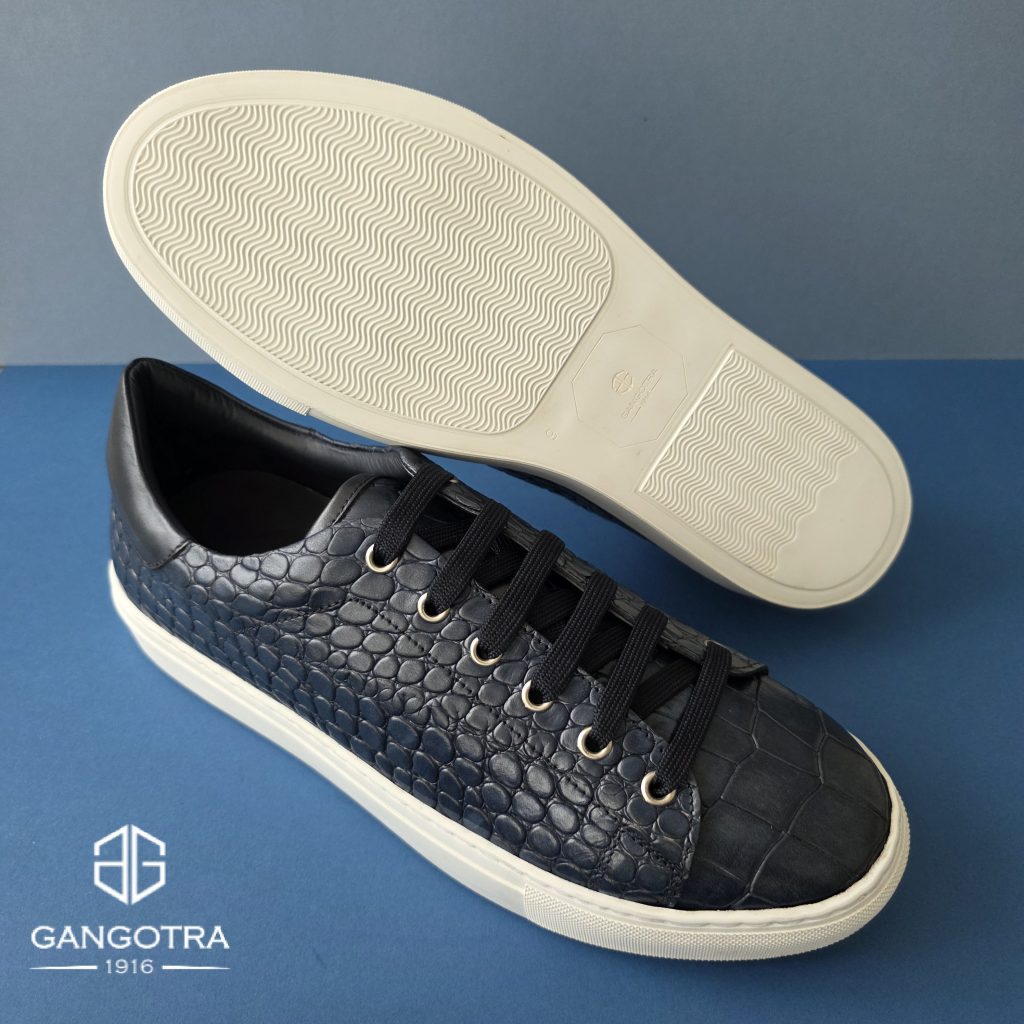
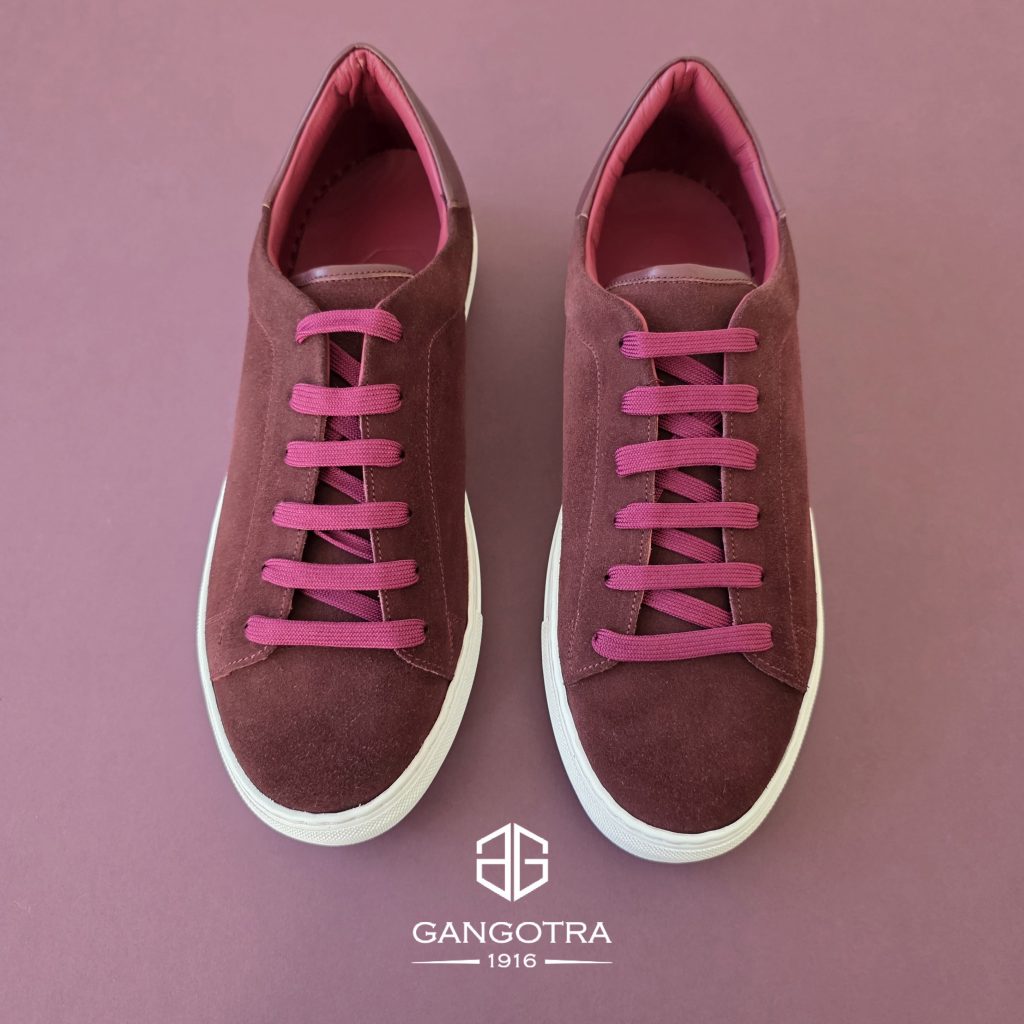
The Leather Trainer is the modern gentleman’s answer to everyday refinement clean, minimal and effortlessly versatile. Crafted with the same attention to detail as a dress shoe, it offers a contemporary silhouette that balances comfort with understated luxury.
Its streamlined profile and premium materials make it far more elevated than a typical sneaker, allowing it to transition smoothly between casual and smart outfits.

History of The Trainer
The Trainer originated in the late 19th and early 20th centuries as athletic footwear designed for physical exercise, taking its earliest form in rubber‑soled “plimsolls” worn by schoolchildren and sportsmen.
Its name comes from the idea of a shoe made specifically for training and as organised sport grew through the 1900s, the trainer evolved from a simple canvas shoe into a global category of performance and lifestyle footwear, shaped by innovations in rubber vulcanisation, athletics culture and later the rise of running, basketball and streetwear movements.